
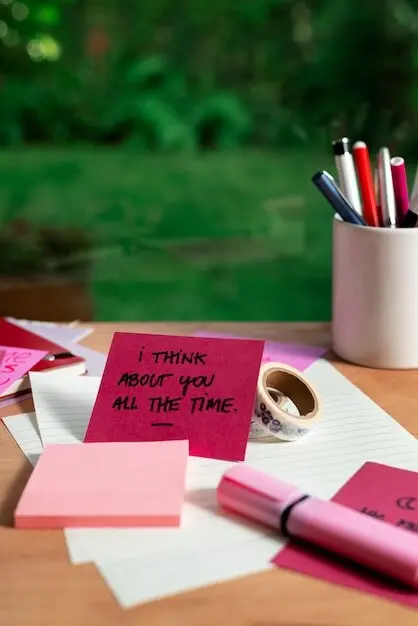



Transform Quick Jots into Lasting Insight

Today we explore “From Fleeting Notes to Evergreen Knowledge: A Workflow for Cultivating Ideas,” turning scattered sparks into reliable, evolving resources you can trust. Expect practical steps, lived stories, and clear rituals that reduce friction, accelerate synthesis, and invite collaboration. Stay to the end for prompts, simple review checklists, and gentle nudges to refine your own system. If this resonates, comment with your capture habits, subscribe for future experiments, and share one small win you will attempt this week.

Frictionless Capture in the Flow of Life

Great ideas rarely arrive during perfect moments; they appear while walking the dog, waiting in line, or rinsing dishes. Build a capture habit so fast it survives chaos. Reduce decisions, standardize inputs, and make convenience a promise, not a hope. When inspiration strikes, your system should greet it like a friend at the door: quick, welcoming, and reliable, leaving future you grateful that present you cared enough to press record.

The Two-Minute Ritual

Commit to capturing any spark within two minutes, before memory blurs and motivation fades. A simple template—idea, source, why it matters—prevents overthinking and preserves momentum. Pair the ritual with tiny rewards, like a deep breath or brief stretch. Over time, this micro-commitment compounds into a trusted trail of breadcrumbs, transforming half-remembered notions into consistent entries that future projects can actually use without drama, guilt, or regrets.

Context-Rich Snippets

Notes without context become orphans. Attach timestamps, source links, locations, and a one-sentence reflection explaining relevance. I once rediscovered a cryptic line—“slower beats scale”—which meant nothing until the saved podcast link revealed a founder describing deliberate onboarding. That tiny context turned confusion into clarity. Treat each snippet as a postcard sent to tomorrow, ensuring it carries enough clues to reawaken meaning, not merely words, when you reread it later.

From Raw Fragments to Clear Building Blocks

Once captured, raw fragments need gentle transformation into units you can recombine. Start with quick passes that trim redundancy, highlight essence, and name ideas clearly. Avoid premature polishing; embrace progressive summarization, letting ideas mature through layers. Think compost, not assembly line. Each pass reduces future friction. The outcome is portable, understandable building blocks that invite reuse, enabling effortless mixing across projects, seasons, and collaborations without rethinking the same insight over and over again.

Distill to the Essence

Underline the sentence that actually moved you, then explain why in your own words. A note you cannot paraphrase is a note you do not yet understand. Keep quotations brief and your commentary bold. Ask, what decision could this influence? Limit each note to one core insight. This discipline cuts noise, sharpens recall, and creates clarity you will thank yourself for when deadlines compress and attention runs dangerously thin across competing priorities everywhere.
Link by Meaning, Not Just Tags

Tags alone become confetti. Connect notes with short, meaningful statements that state the relationship: supports, contrasts, extends, or applies. Imagine introducing two ideas at a dinner party and explaining why they should talk. I once linked “habit shaping” to “interface defaults” with a sentence about gentle constraints; months later, that bridge birthed a workshop exercise. Intentional links create navigable neighborhoods, not chaotic warehouses, and they invite serendipity without sacrificing structure or clarity.

Name Notes for Future You

Write titles that predict future searches. Prefer verbs and outcomes over vague labels—“Short Feedback Loops Reduce Risk” beats “Feedback.” Add a hint about context or scale. Future you will skim dozens of options under deadline, so make the best choice unmistakable. Titles function like handles on heavy boxes; sturdy labels save wrists. Over time, consistent naming becomes the quiet assistant that guides your attention precisely where progress can actually happen today.

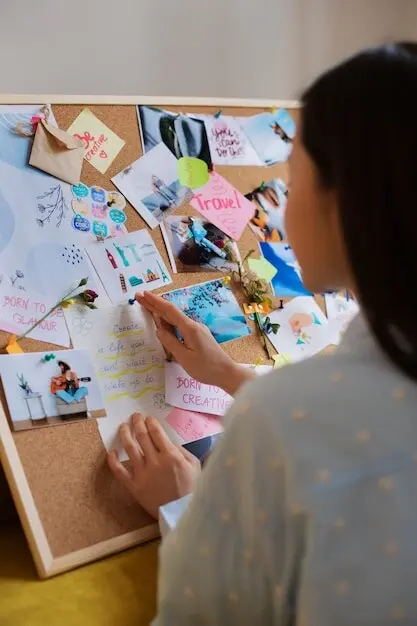
Organize for Discovery, Not Just Storage

Perfect order is less useful than reliable retrieval. Favor light structures that flex with changing goals, enabling quick pivots without endless reclassification. Systems like PARA or project-centric notebooks encourage movement from idea to outcome. Organize by momentum: group notes where they will be used next, not where they originated. Design for browsing and search equally, so scheduled work and spontaneous curiosity both succeed. Storage matters, but discovery is the point that matters most.

The Weekly Greenhouse

Reserve a quiet hour each week to scan starred notes, promote a handful, and archive stale fragments guilt-free. Ask, what wants to grow next? Keep a shortlist of three active questions posted somewhere visible. This ritual lowers anxiety, prevents bloat, and builds continuity. Like watering plants, steady attention beats heroic marathons. Celebrate tiny forward motion, and share one notable insight with a friend or online community to invite gentle accountability and encouragement.

Synthesize Through Writing

Write to learn, not just to display knowledge. Draft a brief memo, outline three bullets, or craft a story linking two surprising notes. If it sounds muddy, thinking remains unclear. Push until sentences feel inevitable. I once discovered a strategic gap mid-paragraph that meetings had missed. Writing made it visible. Treat drafts as thinking tools; revision becomes discovery. Invite comments early, then refine confidently, letting language tighten ideas into durable, transferable, and teachable structures others appreciate.

Serendipity by Design

Use spaced repetition, random resurfacing, and rotating reading lists to court unexpected connections. A daily card surfacing an old question can spark a new answer under fresh constraints. Vary environments—write on trains, sketch outdoors—to disrupt autopilot. Keep a curiosity jar of prompts for stalled days. When luck seems likely, it often shows up. Intentionally mixing time, tools, and places transforms coincidence into strategy, making surprise an ally rather than an unreliable visitor knocking occasionally.

Share to Learn Faster and Build Evergreen Assets

Publishing refines thinking by meeting reality. Share tiny artifacts—snippets, diagrams, FAQs—and let feedback shape clarity. Evergreen pages, maintained over time, outperform one-off blasts. Each update compounds trust and reduces your future workload. Offer practical value first, requests second. Ask readers what confused them, what resonated, and what changed their actions. This generous loop accelerates mastery while turning your library into a public good that attracts collaborators, opportunities, and genuinely helpful critique repeatedly.

Publish Small, Iterate Boldly

Release a two-paragraph note, a sketched workflow, or a checklist you actually use. Mark the date, log revisions, and link related ideas. Invite one question from readers rather than broad opinions. Small artifacts are easier to maintain and improve. Over months, iterations tell a story of learning, making your work searchable, referenceable, and trustworthy. Done beats perfect, and visible progress beats silent perfectionism that never meets the world when it truly matters.

Feedback Loops that Compound

Ask for concrete signals: what step felt unclear, what example landed, what would help someone apply this today? Track responses in your system, tag them by action, and prioritize the changes with widest benefit. Thank contributors publicly. I once converted scattered emails into an FAQ that halved future support. Feedback becomes an investment with dividends when structured, visible, and celebrated. Invite comments below and subscribe to see which suggestions spark the next improvement.

Evergreen Pages over News Bursts

Create canonical pages for ideas you revisit—updated references, evolving instructions, and curated links. Treat them like living manuals with clear revision history. When new insights appear, integrate rather than bury them in feeds. Evergreen content respects readers’ time and amplifies your reach with compounding clarity. Link related notes both ways to preserve context. Over time, these pages become stable foundations others cite, reducing repeated explanations and freeing you to explore new questions confidently.

Maintain, Refactor, and Measure What Matters

Refactoring Sessions with a Timer

Set thirty-minute sessions for surgical cleanups: consolidate similar notes, rewrite opaque titles, and add missing links. A timer focuses attention and prevents endless tinkering. Keep a running list of refactor candidates during daily work, then process in batches. Each session should end with a tiny win you can name aloud. Momentum grows when progress is visible. Reward yourself, log a sentence of reflection, and return to creative work feeling lighter and braver consistently.

Health Metrics for a Knowledge Garden

Track simple metrics that actually influence outcomes: how quickly you find what you need, how often notes help ship deliverables, and how many drafts reach completion. Color-code a dashboard monthly. If retrieval lags, improve naming; if drafts stall, tighten synthesis rituals. Resist vanity counts like total notes. Health means usefulness. Share your scorecard with a colleague for accountability, and invite readers to comment with one metric they have found reliably motivating and humane.

Secure, Backup, and Portability

Protect your library with automatic backups, version history, and exportable formats. Use open standards when possible, and keep a printed walkthrough for catastrophic days. Encrypt sensitive material, audit tool permissions, and test restores quarterly. I once rescued an essay from a backup minutes before a deadline, a relief earned long before disaster. Portability preserves sovereignty; your ideas should outlive tools. Readers, share your backup rituals, and subscribe for upcoming templates and safety checklists.
Novimiratavolivopexi
Privacy Overview

This website uses cookies so that we can provide you with the best user experience possible. Cookie information is stored in your browser and performs functions such as recognising you when you return to our website and helping our team to understand which sections of the website you find most interesting and useful.